


A peek into history
us
Shopping from United States? for local pricing (USD) and faster shipping.
New Collection 2024
Discover Timeless Elegance
Explore our curated selection of the world's finest pearls, handcrafted into exquisite jewellery pieces.
Featured
Discover our curated selection of pearls, collections, and categories

Once upon a time, in a world where beauty and elegance collided, there lived a small team of artisans who dreamed of creating the most unique and exquisite pearl jewellery. They took inspiration from nature's perfection and combined it with traditional craftsmanship to create one-of-a-kind masterpieces.
— The Pearl Gallery Story
Perfect Pairs
Pearl Stud Earrings
Timeless elegance for every day
Discover our exquisite collection of pearl stud earrings, featuring Akoya, Tahitian, South Sea, and Freshwater pearls. Each pair is carefully selected for exceptional lustre and quality.


Hand-picked selections
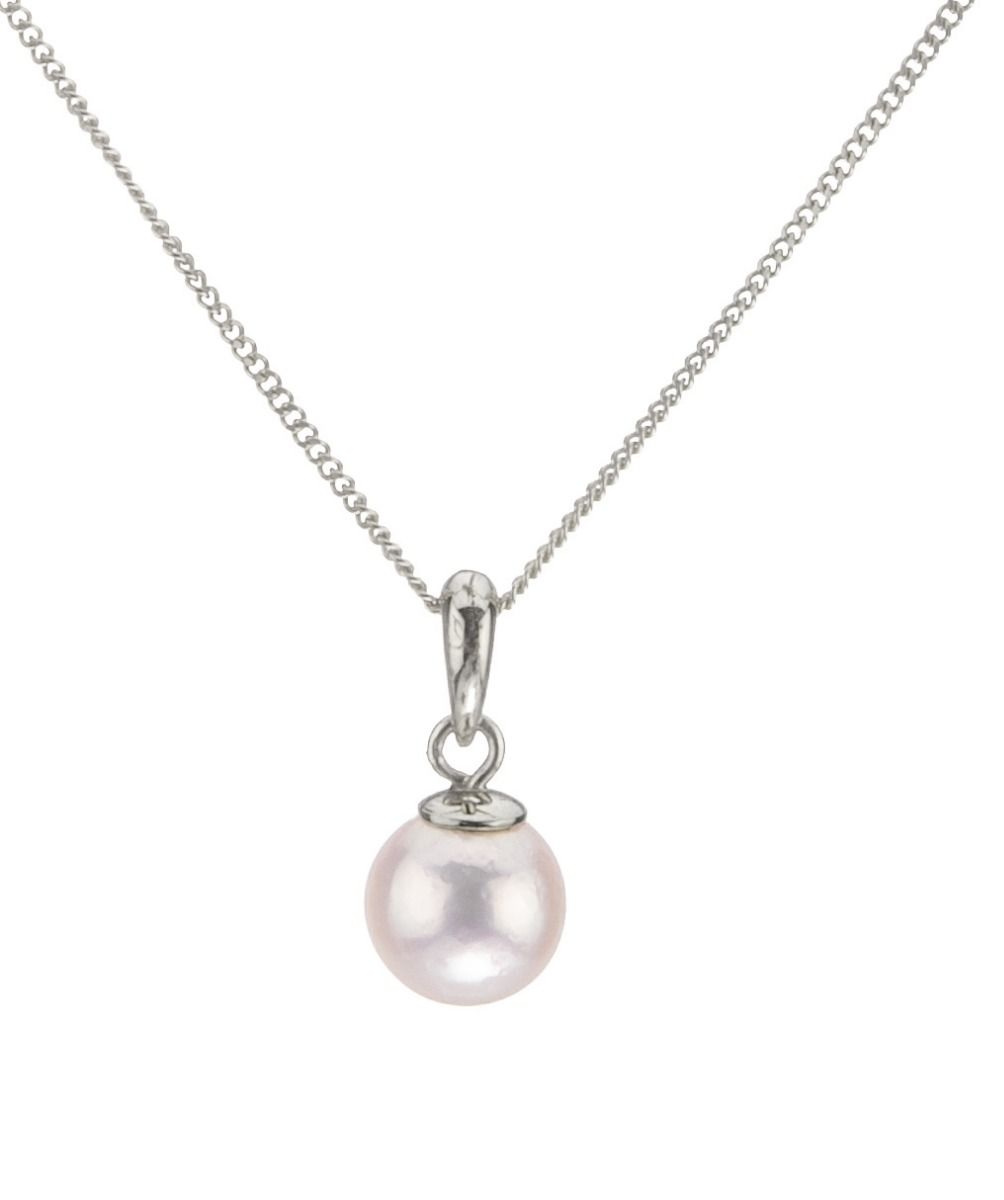
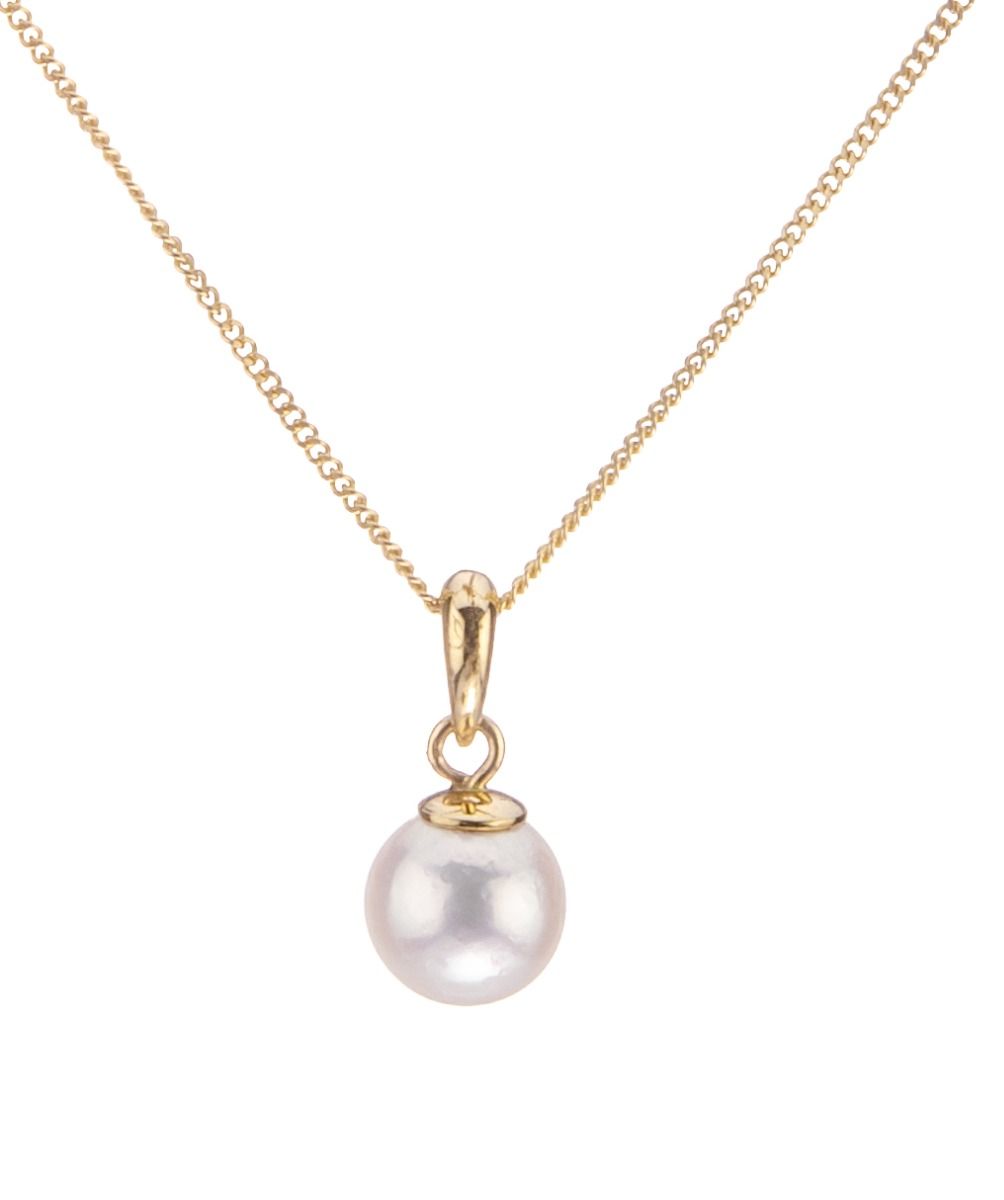
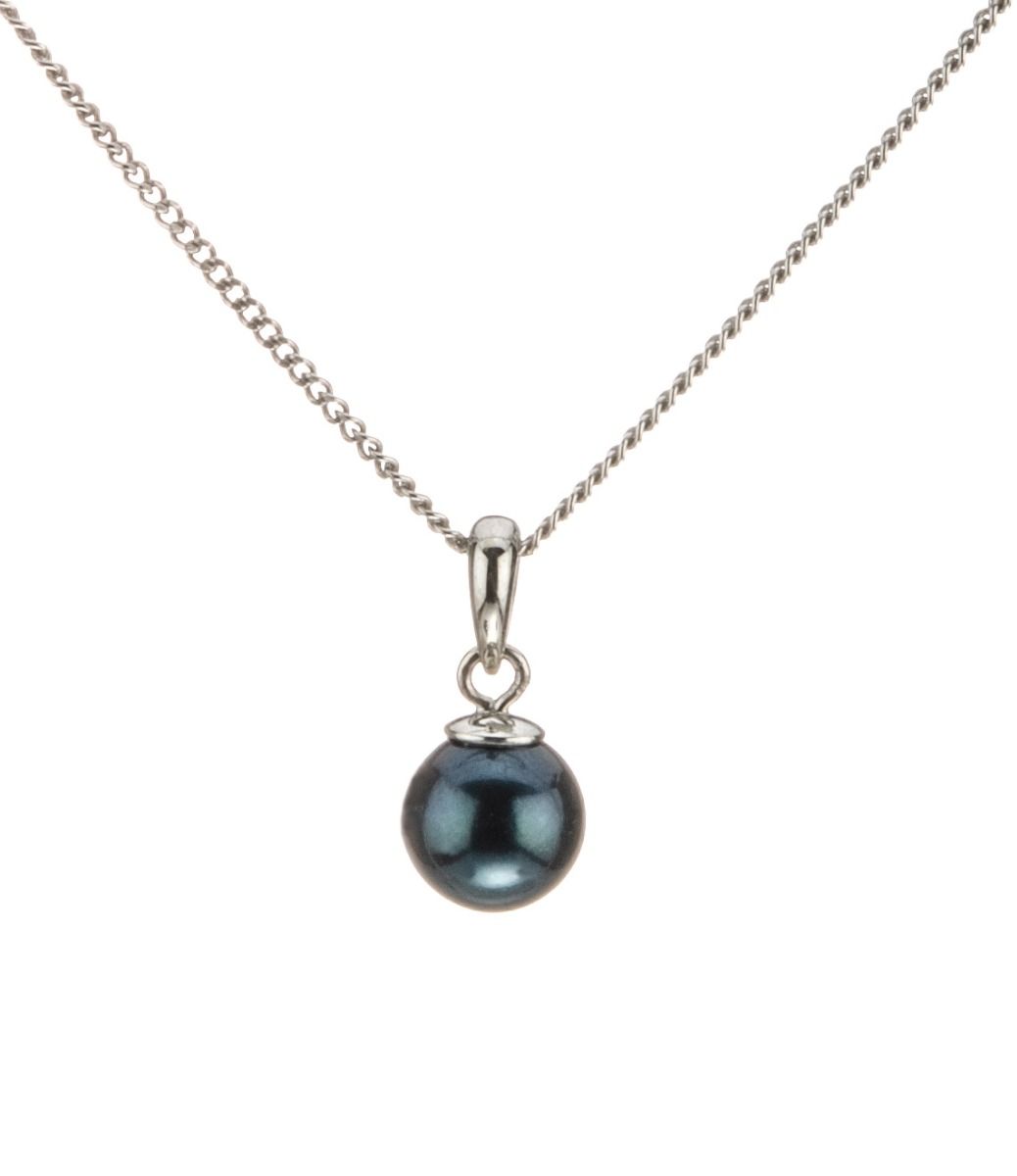
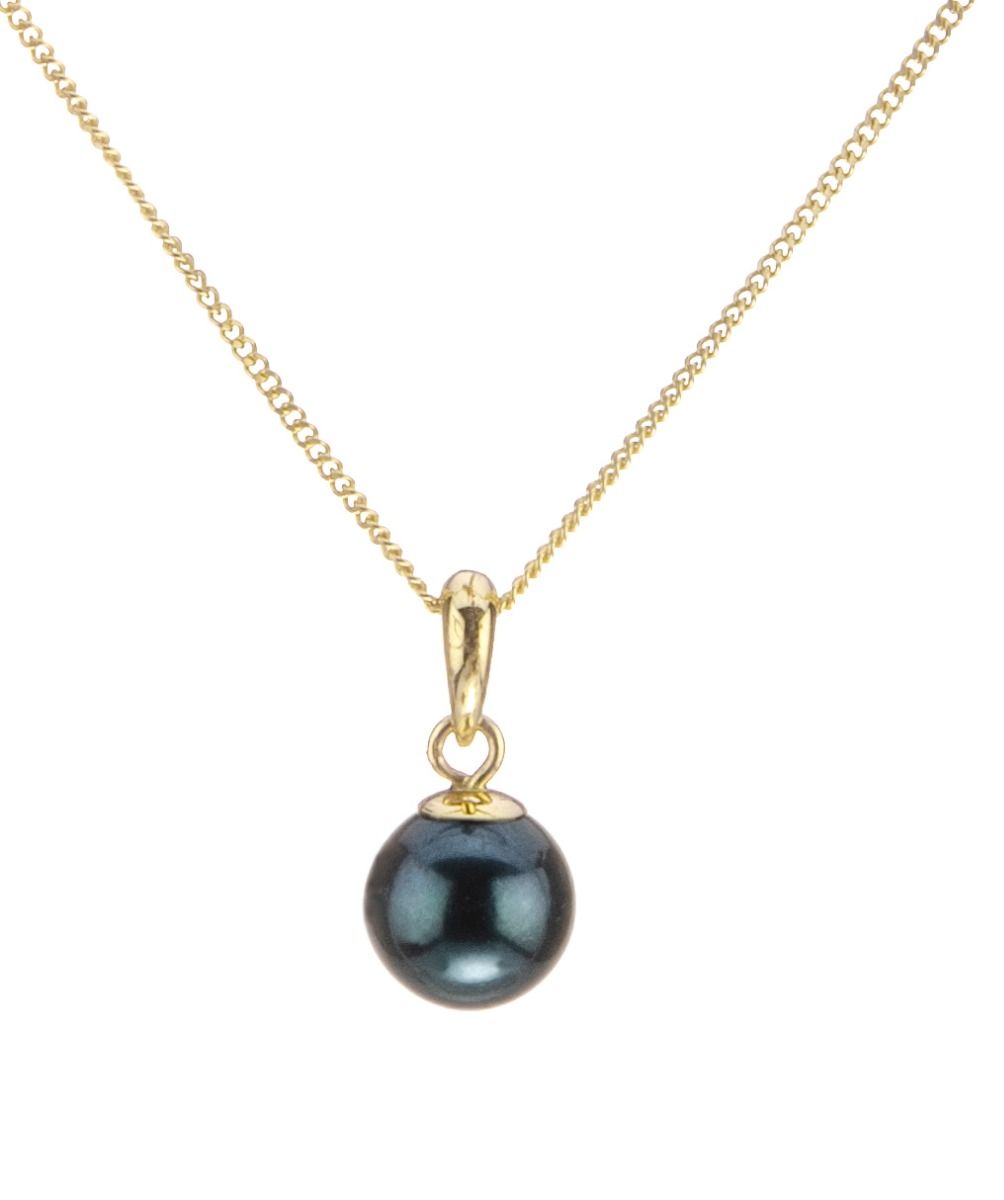
Featured Products
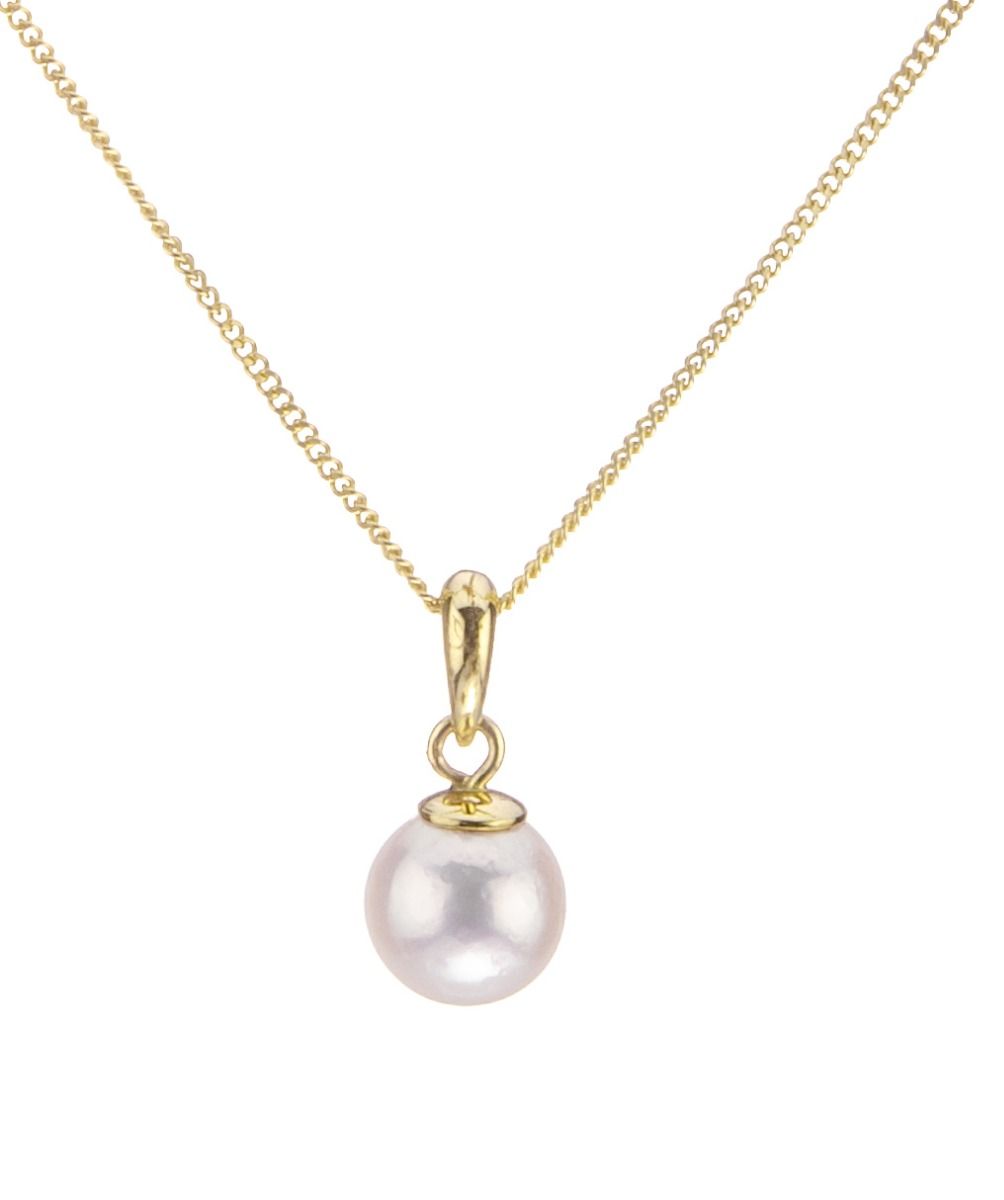
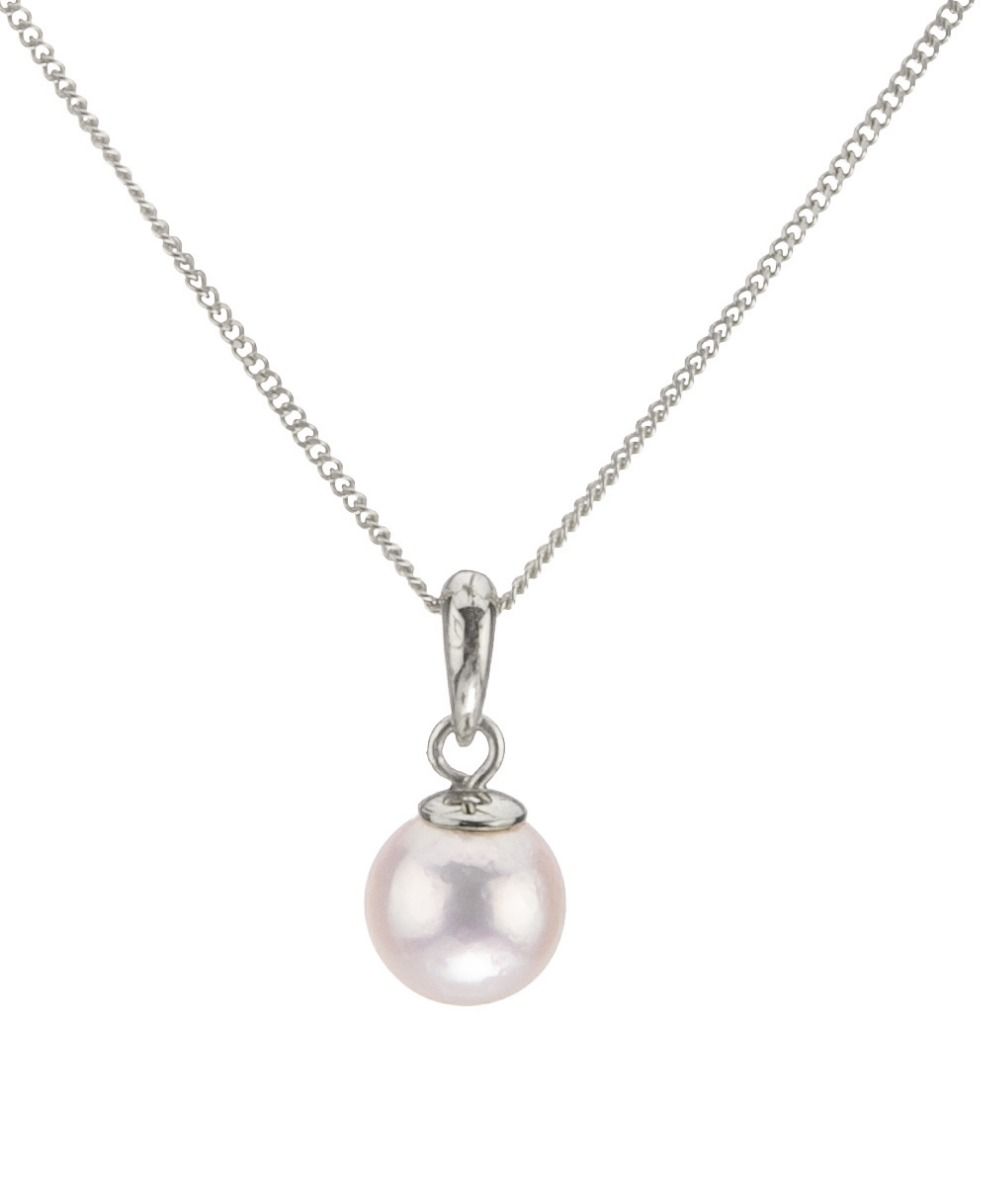
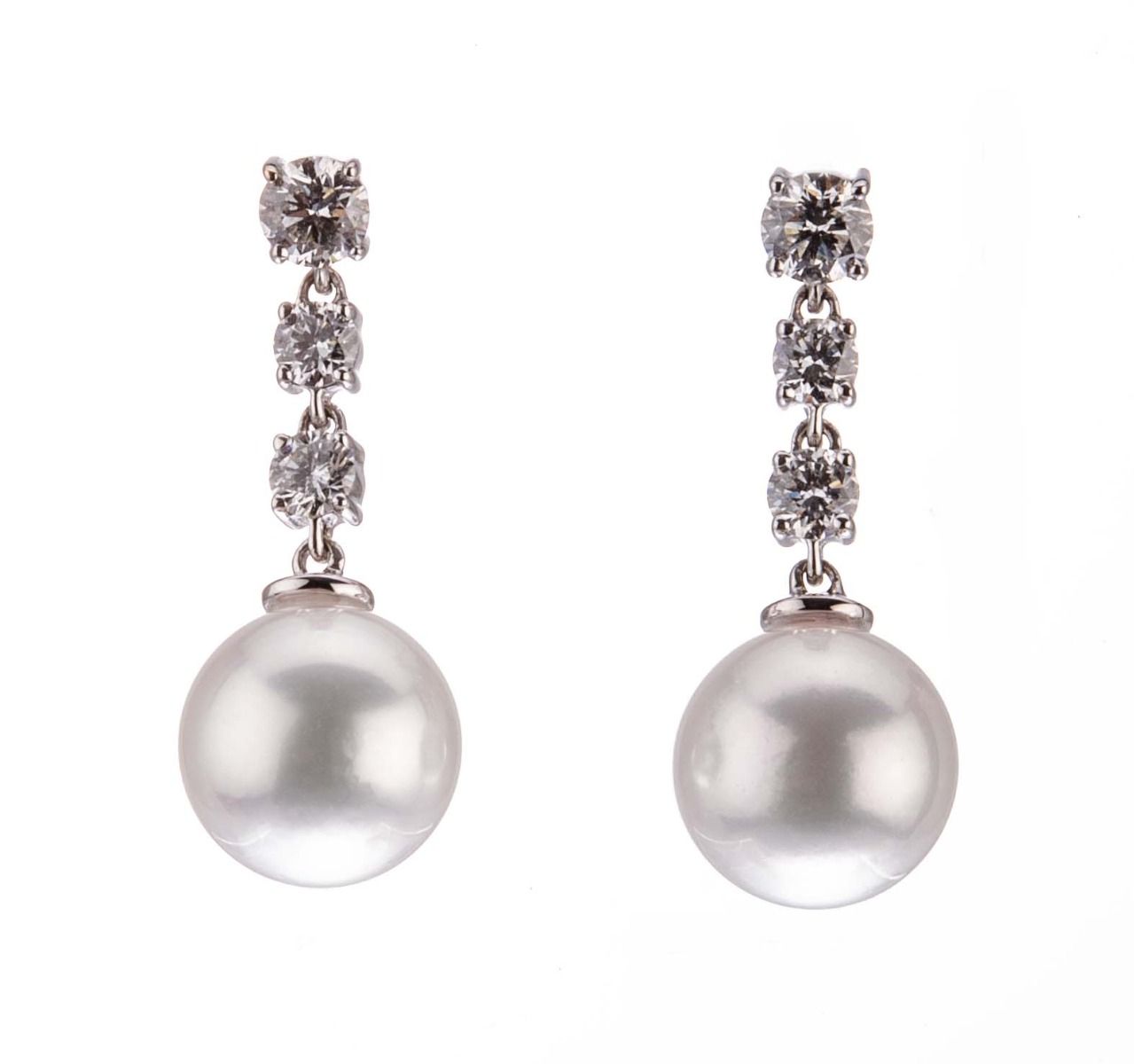
From Ocean to You
Discover the World of Pearls
Learn about different pearl types, their origins, and what makes each one unique.
Best Sellers
Customer favorites that never go out of style
Curated Collections
Pearl Necklaces
Timeless elegance in every strand
Discover our exquisite collection of pearl necklaces, featuring Akoya, Tahitian, South Sea, and Freshwater pearls. Each strand is carefully selected for exceptional lustre and quality.


New Arrivals
Fresh additions to our collection
What Our Customers Say
Real reviews from verified Pearl Gallery customers
4.8 (127 reviews)
No reviews available
Sustainability Practices
For pearl oysters to thrive, they need nutrient-rich waters, high-quality shelter, and a thriving ecosystem. The production of high-quality cultured pearls depends on it.